
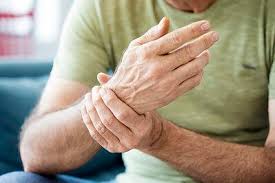
Aging is a natural part of life, bringing with it wisdom, experience, and often a deeper appreciation for health. However, it can also introduce physical challenges—one of the most common being Arthritis. This condition affects millions of older adults, causing joint pain, stiffness, and reduced mobility. While arthritis can be frustrating, it doesn’t have to define your quality of life. With the right approach, it’s possible to stay active, independent, and comfortable.
Understanding Arthritis and Aging
Arthritis isn’t a single disease but a term that covers many joint-related conditions. The most common type associated with aging is osteoarthritis, which occurs when the protective cartilage that cushions joints gradually wears down over time. As joints lose this cushioning, movement can become painful and stiff, especially in areas like the knees, hips, hands, and spine.
Aging increases the risk of arthritis, but factors such as genetics, previous injuries, weight, and lifestyle also play a role. While it may not always be preventable, its impact can often be managed effectively.
Staying Active Despite Joint Pain
It might seem counterintuitive, but movement is one of the best ways to manage arthritis. Regular, low-impact exercise helps maintain joint flexibility, strengthen surrounding muscles, and reduce stiffness. Activities like walking, swimming, and stretching are particularly beneficial.
Exercises such as Yoga and Strength Training can improve balance, increase muscle support around joints, and even reduce pain over time. The key is consistency—gentle, regular movement is more effective than occasional intense workouts.
Managing Pain Naturally
Many people seek natural ways to ease arthritis discomfort. Applying heat can relax muscles and improve circulation, while cold packs can reduce inflammation and numb sore areas. Maintaining a healthy weight also reduces pressure on weight-bearing joints, particularly the knees and hips.
Certain foods may help reduce inflammation. Diets rich in fruits, vegetables, whole grains, and omega-3 fatty acids—found in fish like salmon—can support joint health. Some individuals also find relief using natural remedies like turmeric or ginger, though results can vary.
Medical Support and Treatment Options
While lifestyle changes are important, medical care plays a key role in managing arthritis. Over-the-counter medications like Ibuprofen can help reduce pain and inflammation. In more severe cases, doctors may recommend physical therapy, prescription medications, or even joint injections.
Regular check-ups with a healthcare provider ensure that the condition is monitored and treated appropriately. Early intervention can slow progression and improve long-term outcomes.
Protecting Your Joints
Simple daily habits can make a big difference in protecting your joints. Using proper posture, avoiding repetitive strain, and using supportive footwear can reduce unnecessary stress. Assistive devices, such as braces or ergonomic tools, can also make everyday tasks easier and less painful.
Listening to your body is crucial—rest when needed, but avoid prolonged inactivity, which can worsen stiffness.
Emotional Well-Being and Aging
Living with arthritis isn’t just a physical challenge—it can also affect mental and emotional health. Chronic pain may lead to frustration, anxiety, or even depression. Staying socially connected, engaging in hobbies, and maintaining a positive outlook can help improve overall well-being.
Support groups or counseling can also provide encouragement and practical coping strategies for dealing with long-term conditions.
Embracing Healthy Aging
Getting older doesn’t mean giving up an active, fulfilling life. Many people with arthritis continue to travel, exercise, and enjoy their favorite activities by making small adjustments and prioritizing their health.
Aging with arthritis is about adaptation, not limitation. By staying informed, proactive, and committed to self-care, it’s possible to manage symptoms effectively and maintain a high quality of life.
Conclusion
Arthritis may be a common part of aging, but it doesn’t have to take control. Through a combination of movement, proper nutrition, medical support, and mindful living, individuals can reduce pain and stay engaged in the activities they love. Aging is inevitable—but suffering doesn’t have to be.
